India is a land of festivals, where every celebration tells a story deeply rooted in tradition, culture, and the changing seasons. Among these, Lohri and Makar Sankranti stand out as vibrant harvest festivals that mark the transition from winter to longer, sunnier days. Though distinct in their rituals and cultural expressions, these festivals share a common spirit of gratitude, joy, and new beginnings.
Lohri: The Bonfire Festival of Punjab
Lohri, celebrated on January 13th, is a significant festival in Punjab and parts of northern India. It honors the harvest of Rabi crops, particularly sugarcane, and signifies the end of the cold winter season.
Key Traditions of Lohri
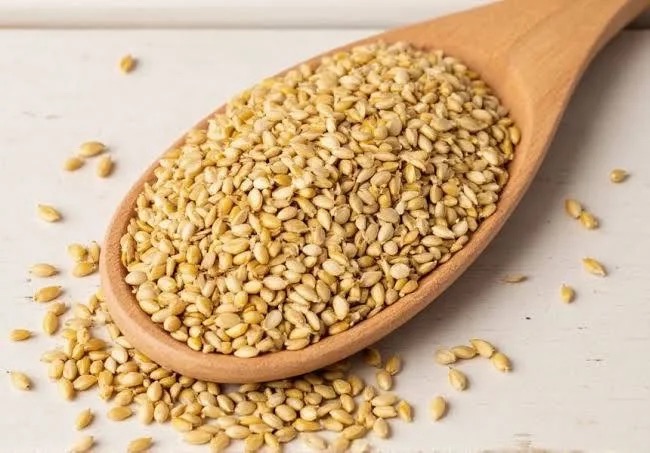
• Bonfire Rituals: At the heart of Lohri is the bonfire, symbolizing warmth, light, and purification. Families and friends gather around it, offering sesame seeds, jaggery, and peanuts to the flames as a way to thank the Earth and the Sun.
• Songs and Dance: Traditional Punjabi songs and dances like Bhangra and Giddha bring the celebrations to life, with the dhol setting the perfect rhythm.
• Festive Foods: Lohri feasts include makki di roti, sarson da saag, gajak, rewri, and til laddoos, dishes that are not only delicious but also nourishing during winter.
• Special Occasions: Lohri is particularly meaningful for families celebrating new milestones like weddings, childbirth, or a new home, making the festival a double celebration.
Lohri embodies the spirit of togetherness, gratitude, and hope for prosperity in the year ahead.
Makar Sankranti: A Pan-Indian Celebration of Light
The day after Lohri, on January 14th, India celebrates Makar Sankranti, a festival observed across the country with regional variations. It marks the sun’s entry into the zodiac sign Capricorn (Makara), signifying the transition to longer, warmer days.
Key Traditions of Makar Sankranti
• Kite Flying: In states like Gujarat and Rajasthan, the skies come alive with colorful kites, symbolizing freedom and joy. People compete to see whose kite soars the highest, adding a playful touch to the festival.
• Holy Dips: Devotees take a dip in sacred rivers like the Ganga, Yamuna, and Godavari to cleanse their souls and seek blessings for a prosperous year.
• Special Foods: Sankranti feasts feature dishes made from sesame and jaggery, such as tilgul laddoos and chikkis, which represent warmth and goodwill.
• Regional Names and Customs:
• Pongal in Tamil Nadu: A multi-day festival involving the cooking of a special dish called Pongal, made with freshly harvested rice.
• Bhogali Bihu in Assam: Marked by feasting, community gatherings, and dancing around bonfires.
• Uttarayan in Gujarat: Known for its grand kite festival and festive treats.
Makar Sankranti is a celebration of renewal, joy, and unity across diverse cultures.
Similarities Between Lohri and Sankranti
While Lohri is primarily celebrated in Punjab and Makar Sankranti is a pan-Indian festival, they share common themes:
1. Gratitude for the Harvest: Both festivals honor farmers and the fruits of their labor, marking the end of the winter harvest season.
2. Celebration of Light and Warmth: The focus on bonfires in Lohri and the sun’s transition in Sankranti signifies the return of warmth and light to the Earth.
3. Community and Togetherness: Both festivals bring people together to celebrate, share food, and strengthen bonds.
4. Sweet Treats with Sesame and Jaggery: These ingredients are central to the festive menus, symbolizing warmth and goodwill.
Why These Festivals Matter
Lohri and Sankranti remind us to stay connected to nature, cherish our traditions, and celebrate the small joys of life. They are not just harvest festivals but also opportunities to reflect on the cycles of life and express gratitude for abundance and new beginnings.
Final Thoughts
As the bonfires of Lohri crackle and the kites of Sankranti soar, these festivals fill the air with joy, hope, and positivity. Whether you’re singing Punjabi folk songs or flying kites under the winter sun, these celebrations offer a chance to honor tradition while welcoming the future.
Wishing you a Lohri and Sankranti filled with warmth, happiness, and success!
How do you celebrate these festivals? Share your favorite traditions and memories in the comments!


 Naturally Lefty
Leave a comment