
If you’ve ever said, “Go read your book!”
…and your child suddenly needs water, a snack, the bathroom, and a life crisis all at once…You’re not alone. 😊
So many parents want their kids to love reading — but somewhere along the way, reading starts to feel like homework instead of magic.
Here’s the truth I’ve learned after 20+ years as a writing coach, and now children’s book author:
Kids don’t fall in love with reading because they’re told to, they fall in love with reading because it feels good. (Believe it or not.. I was one of these children!)
The goal isn’t pressure, instead it’s connection. Here are some gentle, realistic ways to nurture a lifelong reader — without forcing a single page.
📚 1. Make reading cozy, not academic
Reading shouldn’t feel like a chore or a test.
It should feel like:
✨ blankets
✨ soft lighting
✨ bedtime snuggles
✨ giggles over silly voices
Create a “reading vibe,” not a reading rule.
Try:
- a comfy chair or reading nook
- warm lamps instead of bright lights
- hot cocoa or snacks
- quiet time together
When reading feels cozy, kids naturally want more.
📚 2. Let them choose (even the “silly” books)
This one is big. If your child wants:
- comic books
- joke books
- graphic novels
- animal facts
- the same book 47 times
Let them. All reading counts. Ownership builds excitement. Excitement builds habit.
Habit builds skill. When kids pick the book, they’re already halfway in.
📚 3. Read aloud — even when they can read themselves
This surprises a lot of parents.
But older kids STILL love being read to.
Reading aloud:
- builds vocabulary
- improves comprehension
- strengthens bonding
- makes stories more fun
And honestly? Some of my favorite memories as a mom are reading together and doing goofy character voices. You’re not just building a reader. You’re building memories.
📚 4. Don’t correct every mistake
If your child stumbles over words, resist the urge to fix everything. Constant corrections can feel discouraging.
Instead:
- let small mistakes go
- praise effort
- focus on understanding the story
Confidence first. Perfection later. A confident reader reads more.A nervous reader avoids it.
📚 5. Connect books to real life
Stories stick when they connect to their world. After reading, try:
- drawing a favorite scene
- acting out characters
- writing a new ending
- asking “What would YOU do?”
- making crafts inspired by the story
Books become experiences — not assignments. And that’s where the magic happens.
📚 6. Choose books with heart
Kids remember stories that make them feel something. Books about:
- kindness
- courage
- imagination
- friendship
- believing in themselves
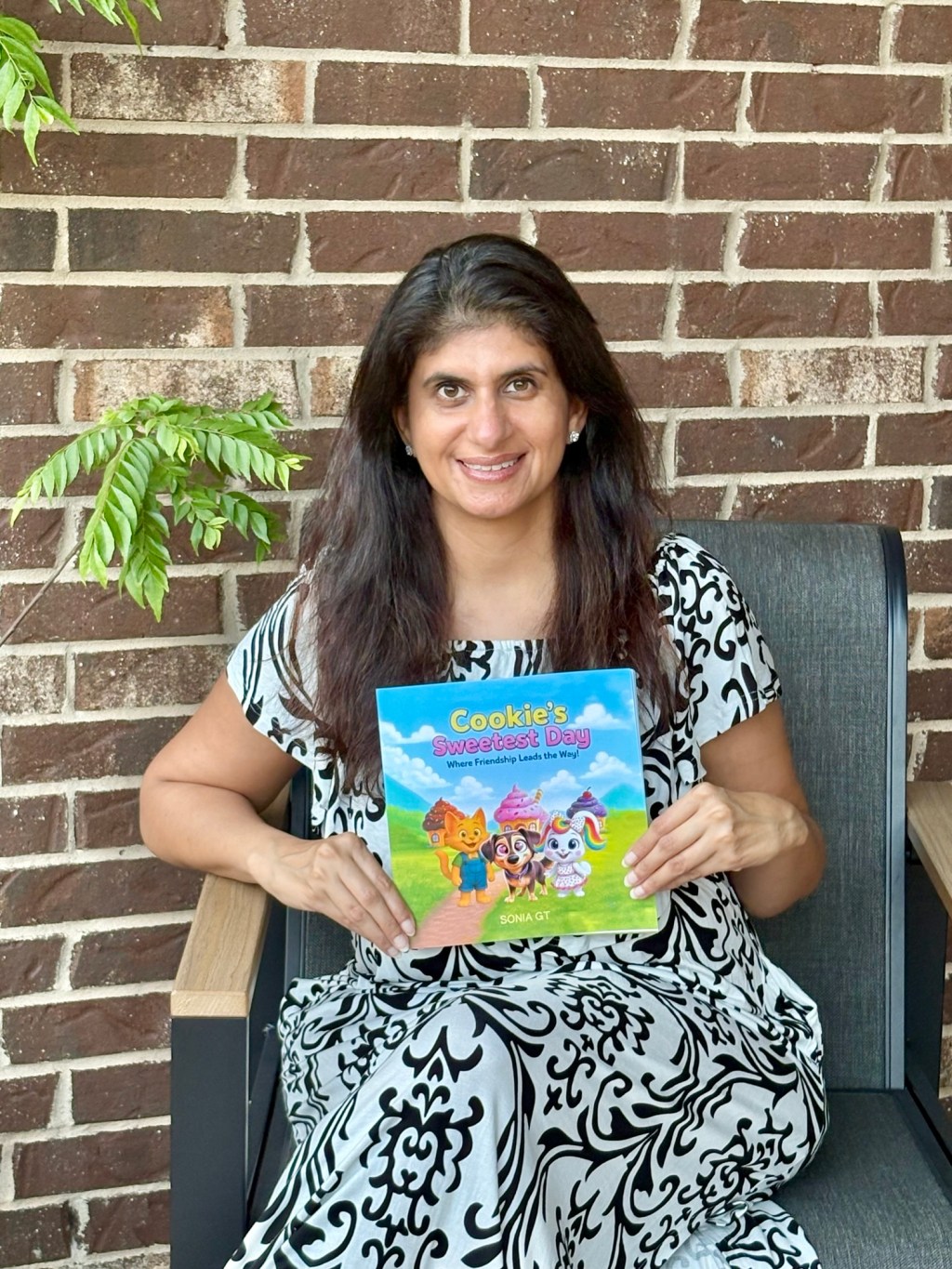
Those are the ones they ask for again and again. That’s actually why I wrote my own children’s book — to create stories that spark creativity and confidence, not pressure. Because when kids feel seen in a story, they lean in closer.
💛 The biggest secret of all?
Your child doesn’t need to be the “best” reader. They just need to believe:
“I like books.” That simple sentence changes everything. Reading isn’t about scores or levels – it’s about curiosity, connection, comfort, and joy. Start there — and the skills will follow.
✨ Try this tonight
Before bed, grab any book.
Snuggle up.
Turn off the big lights.
Use silly voices.
Laugh together.
No expectations.
Just a story.
You might be surprised how quickly “I don’t want to read” turns into “Can we read one more?”
📚 Looking for a cozy, heart-filled story to start with?
I recently published a children’s book designed to spark imagination and confidence in young readers. It’s one of my favorite books to read aloud with families and classrooms.
You can check it out here → https://miltonandhugo.com/bookstore/cookies-sweetest-day
If you try any of these tips, I’d love to hear what worked for your family 💛
Happy reading!


 Naturally Lefty
Leave a comment