
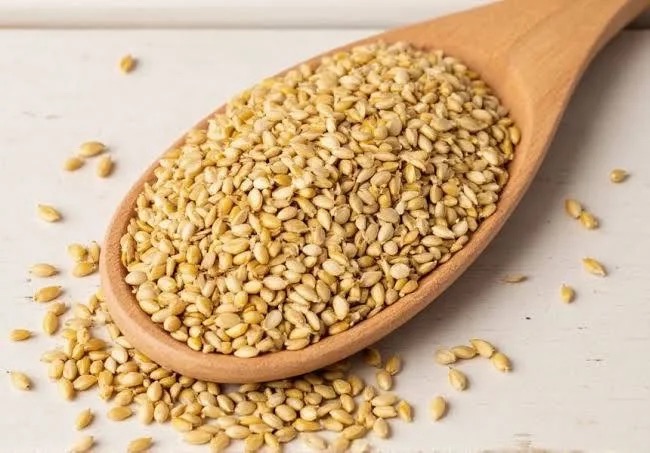
Sesame seeds may be tiny, but they’ve been cherished for thousands of years—and for good reason. These little seeds are nutritional powerhouses loaded with healthy fats, minerals, antioxidants, and plant compounds that support your overall well-being. Whether sprinkled on salads, baked into breads, or blended into creamy tahini, sesame seeds deliver flavor and nutrition in every bite.
🌿 Health Benefits of Sesame Seeds
1. Rich in Essential Nutrients
Sesame seeds are full of important vitamins and minerals, including:
• Calcium (supports strong bones)
• Iron (helps prevent fatigue and anemia)
• Magnesium (aids muscle and nerve function)
• Zinc (supports immunity and wound healing)
Just a small handful can help fill nutrient gaps in your diet.
2. Promote Heart Health
Sesame seeds contain healthy monounsaturated and polyunsaturated fats, along with plant sterols that may help lower LDL (“bad”) cholesterol levels. Regular consumption can support healthier blood pressure and a stronger cardiovascular system.
3. High in Antioxidants
Compounds like sesamin and sesamolin help reduce inflammation and protect cells from oxidative stress. These antioxidants support long-term health and may reduce the risk of chronic diseases.
4. Support Digestion
The fiber in sesame seeds helps regulate digestion, reduces bloating, and promotes gut health. Even a tablespoon added to your meals can make a difference.
5. Help Balance Hormones
Sesame seeds contain phytoestrogens, which may support hormonal balance—especially helpful for women experiencing PMS or perimenopausal symptoms.
6. Strengthen Bones
Packed with calcium, magnesium, phosphorus, and zinc, sesame seeds help maintain bone density and strength. For people who don’t consume dairy, sesame seeds are an excellent plant-based alternative.
7. Boost Skin and Hair Health
Sesame oil and seeds both contain healthy fats and antioxidants that nourish the skin, improve elasticity, and add shine to hair. The zinc content also supports collagen production.
3 Easy Sesame Seed Recipes You’ll Love
1. Toasted Sesame Energy Bites
A perfect snack for busy days!
Ingredients:
• ½ cup sesame seeds
• ½ cup rolled oats
• ¼ cup honey or maple syrup
• 2 tbsp almond or peanut butter
• 1 tsp vanilla extract
• Pinch of salt
Instructions:
1. Toast sesame seeds lightly in a dry pan until golden and fragrant.
2. In a bowl, mix oats, toasted sesame seeds, nut butter, honey/maple syrup, vanilla, and salt.
3. Roll into small bite-sized balls.
4. Refrigerate for 30 minutes before serving.
Tip: Store in the fridge for up to a week for a quick grab-and-go snack!
2. Simple Sesame Stir-Fry Sauce Delicious on veggies, tofu, chicken, or noodles.
Ingredients:
• 2 tbsp soy sauce or coconut aminos
• 1 tbsp sesame oil
• 1 tsp rice vinegar
• 1 tbsp honey
• 1 garlic clove, minced
• 1 tbsp sesame seeds
Instructions:
1. Whisk all ingredients in a small bowl.
2. Pour over stir-fried vegetables or protein during the last 2 minutes of cooking.
3. Sprinkle extra sesame seeds on top before serving.
Tip: Add red chili flakes for a spicy kick!
3. Creamy Homemade Tahini (Sesame Paste) Perfect for hummus, dressings, and spreads.
Ingredients:
• 1 cup sesame seeds
• 2–3 tbsp olive oil
• Pinch of salt
Instructions:
1. Toast sesame seeds lightly in a pan (optional but adds flavor).
2. Transfer to a food processor and blend until crumbly.
3. Add olive oil gradually until smooth and creamy.
4. Add a pinch of salt and blend again.
Tip: Store in a jar and refrigerate for 1–2 months.
🌟 Final Thoughts
Sesame seeds may be tiny, but they deliver big health benefits—from supporting heart health and digestion to strengthening bones and beautifying skin. Best of all, they’re incredibly versatile and easy to add to everyday meals.
Try these simple recipes and enjoy the delicious, nutritious magic of sesame seeds!
Disclaimer: The information provided on Naturally Lefty is for general informational purposes only and is not intended to substitute for professional medical advice, diagnosis, or treatment. Always seek the advice of your physician or other qualified health provider with any questions you may have regarding a medical condition or treatment.



 Naturally Lefty
Leave a comment